How to lower the glycemic index of a meal
You do not have to give up bread, rice or potatoes to keep your blood sugar steadier. Small changes in how you choose, cook and combine carbohydrates can noticeably reduce the glucose spike of a meal.
1. Choose the least processed version
The same grain can have a very different GI depending on processing: steel-cut oats (52) versus instant oats (82), or grainy bread (56) versus white bread (73).
2. Cook pasta al dente and don’t overcook rice
The longer starch cooks, the more it gelatinizes and the faster it is digested. Al dente durum wheat pasta (47) is one of the few refined carbohydrates with a low GI.
3. Cook, cool and reheat
Cooling cooked starch creates resistant starch, which behaves more like fiber. Across eight studies, cooked-then-cooled potatoes averaged a GI of 49, compared with 73 for hot boiled potatoes. The same applies, to a smaller degree, to rice and pasta.
4. Add legumes
Lentils (16), chickpeas (34) and black beans (26) have a very low GI. Replacing part of the rice or pasta with legumes lowers the glycemic load of the whole plate.
5. Eat vegetables and protein first
In a study published in Diabetes Care, people with type 2 diabetes who ate vegetables and protein before carbohydrates had much lower glucose peaks than when they ate the same foods in the reverse order.
6. Add an acid: vinegar or lemon
Acidity slows stomach emptying. In a Swedish study, adding vinegar to a white bread meal lowered glucose and insulin responses and increased fullness. A salad with vinaigrette at the start of a meal is an easy way to use it.
7. Pair carbs with fat and protein
Olive oil, cheese, nuts, eggs or fish slow the absorption of the carbohydrates they are eaten with. That is why toast with peanut butter raises blood sugar less than plain toast.
8. Whole fruit instead of juice
A glass of orange juice has a glycemic load of 12; a whole orange, 5. The fruit's fiber and structure make the difference.
9. Walk for 10–15 minutes after eating
A 2022 review of studies found that even short, light walks after meals lower post-meal glucose compared with staying seated. Working muscles take up glucose with less need for insulin.
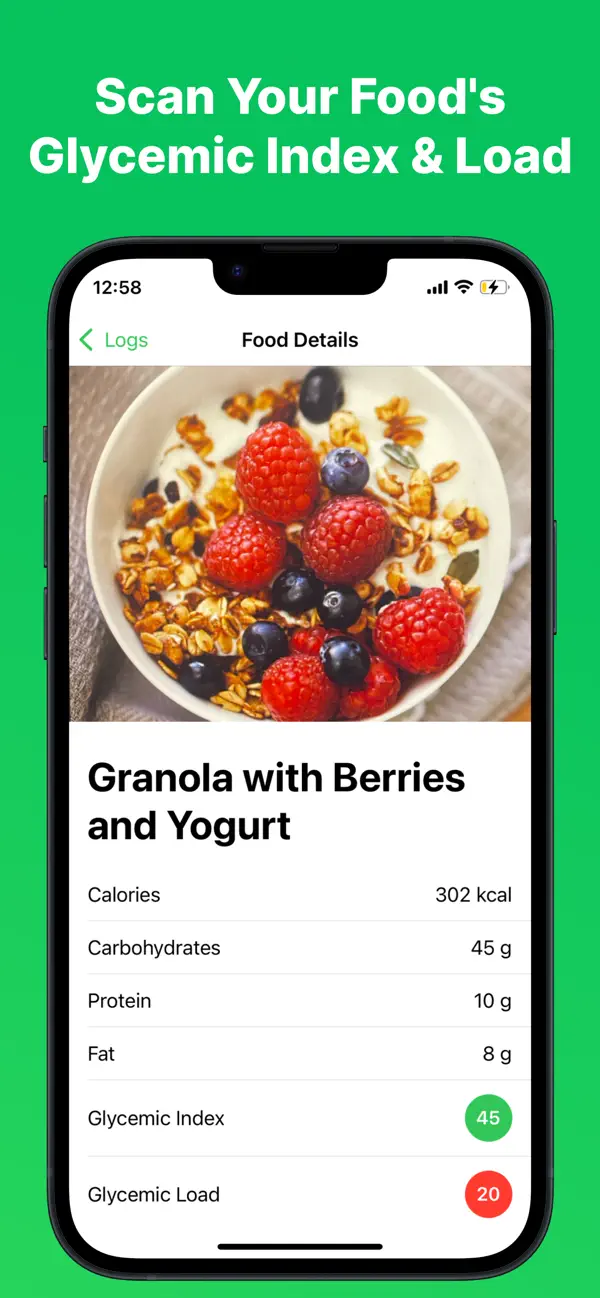
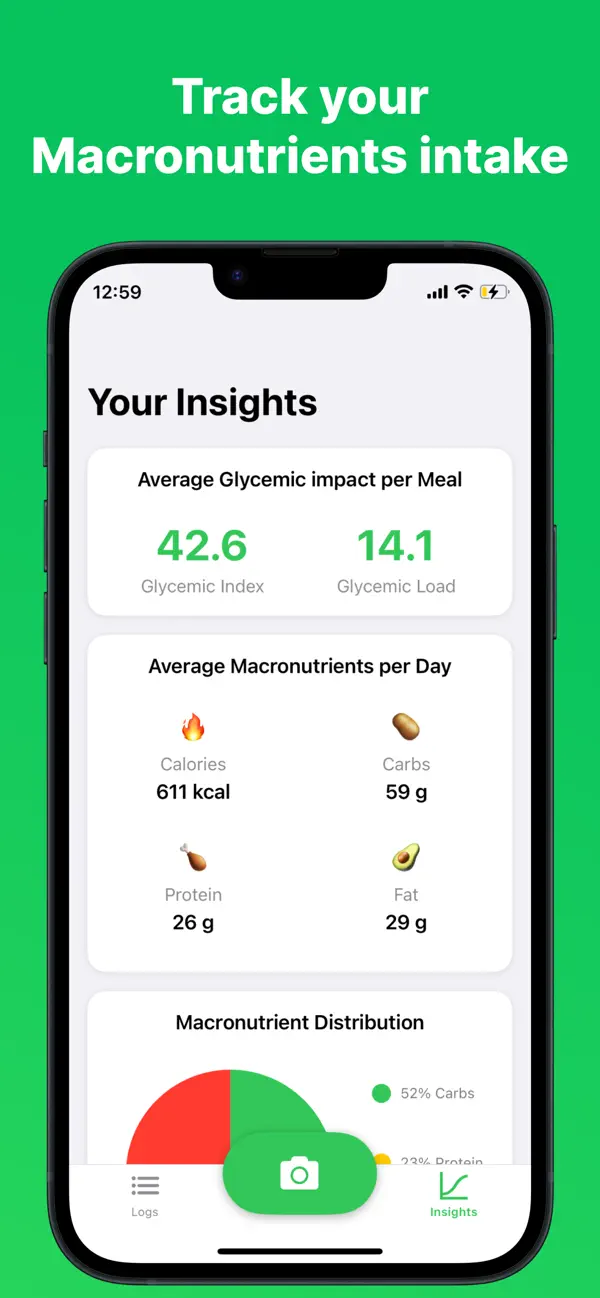
To see how these changes affect your own plate, the Glycemic Index AI Food Scanner app estimates the glycemic index and load of your meals from a photo.
Sources
- Atkinson FS, Brand-Miller JC, Foster-Powell K, Buyken AE, Goletzke J. International tables of glycemic index and glycemic load values 2021: a systematic review. Am J Clin Nutr. 2021;114(5):1625–1632.
- Shukla AP, Iliescu RG, Thomas CE, Aronne LJ. Food order has a significant impact on postprandial glucose and insulin levels. Diabetes Care. 2015;38(7):e98–e99.
- Östman E, Granfeldt Y, Persson L, Björck I. Vinegar supplementation lowers glucose and insulin responses and increases satiety after a bread meal in healthy subjects. Eur J Clin Nutr. 2005;59(9):983–988.
- Buffey AJ, Herring MP, Langley CK, Donnelly AE, Carson BP. The acute effects of interrupting prolonged sitting time in adults with standing and light-intensity walking on biomarkers of cardiometabolic health: a systematic review and meta-analysis. Sports Med. 2022;52(8):1765–1787.