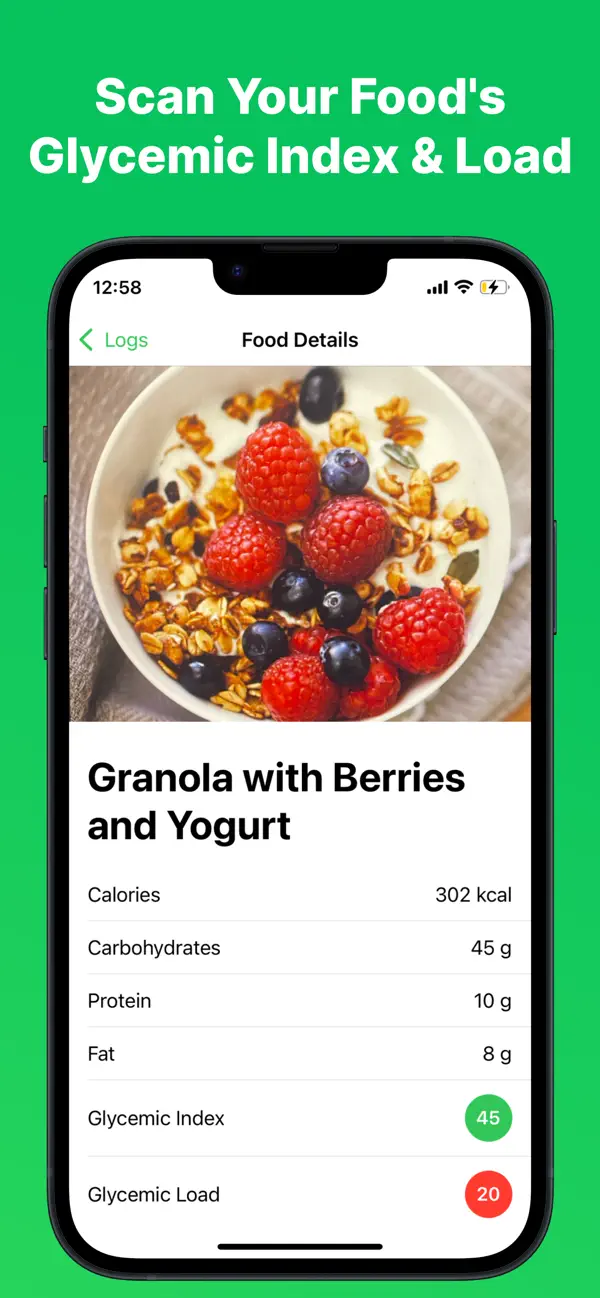
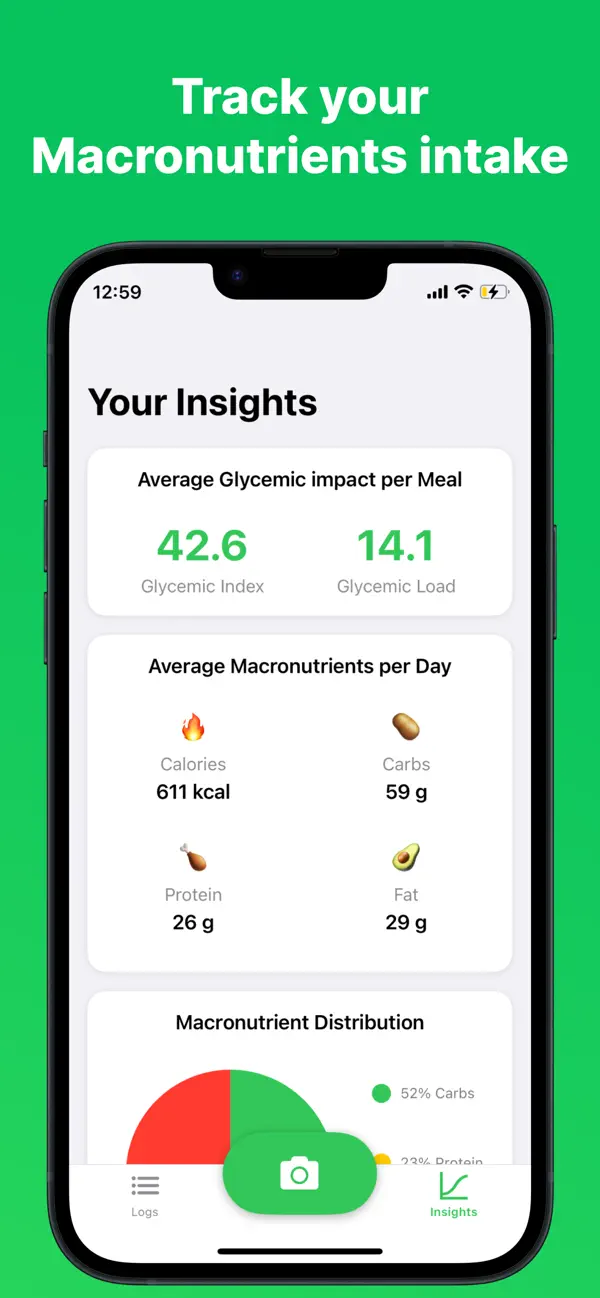
The low glycemic diet, explained
A low glycemic diet is not a fad or a list of forbidden foods: it means choosing, within each food group, the carbohydrates that raise blood sugar more slowly, and combining them well. It is flexible and works with almost any eating style.
What the evidence says
The strongest support is for blood sugar control in people with diabetes. A meta-analysis of randomized trials published in the BMJ in 2021 (29 trial comparisons) found that low-GI or low-GL diets lowered HbA1c by about 0.3 percentage points compared with control diets, with small improvements in fasting glucose, LDL cholesterol and body weight.
Outside diabetes, results for weight and heart health are more modest and mixed. It is best seen as a tool to improve carbohydrate quality rather than a magic fix.
The principles
- Build on legumes, vegetables, whole fruit and dairy. Nearly all of them are low GI. See the full list of low-GI foods.
- Keep grains as intact as possible. Barley, bulgur, rolled or steel-cut oats, basmati or parboiled rice, al dente pasta, dense grainy breads.
- Eat fewer puffed, instant or highly refined products. Cornflakes, puffed rice, rice cakes, instant mashed potato and white bread are among the highest.
- Watch carbohydrate portions even when GI is low: glycemic load depends on the amount.
- Always combine carbohydrates with protein, healthy fats and fiber.
Simple swaps with real numbers
| Instead of | GI | Try | GI |
|---|---|---|---|
| White bread | 73 | Multigrain bread | 56 |
| Jasmine rice | 89 | Basmati rice | 60 |
| Instant oats | 82 | Steel-cut oats | 52 |
| Cornflakes | 80 | Granola | 53 |
| Baked potato | 80 | Sweet potato (boiled) | 46 |
| Rice cakes | 82 | Rye crispbread | 66 |
| Orange juice | 48 | Orange | 45 |
| Couscous | 64 | Bulgur | 47 |
| White rice | 72 | Lentils | 16 |
A sample day
- Breakfast: steel-cut or rolled oats with plain yogurt, berries and walnuts.
- Lunch: a big salad with lentils or chickpeas, vegetables, cheese or egg and olive oil; a piece of fruit.
- Snack: an apple or pear with a handful of almonds, or rye bread with hummus.
- Dinner: fish or chicken with roasted vegetables and a moderate portion of al dente pasta, basmati rice or boiled sweet potato.
Caveats
- Low GI is not always the same as healthy: ice cream and potato chips are low or medium GI because of their fat.
- If you use insulin or other glucose-lowering medication, changing your diet may require adjusting your dose. Do it with your doctor.
Sources
- Chiavaroli L, Lee D, Ahmed A, et al. Effect of low glycaemic index or load dietary patterns on glycaemic control and cardiometabolic risk factors in diabetes: systematic review and meta-analysis of randomised controlled trials. BMJ. 2021;374:n1651.
- Atkinson FS, Brand-Miller JC, Foster-Powell K, Buyken AE, Goletzke J. International tables of glycemic index and glycemic load values 2021: a systematic review. Am J Clin Nutr. 2021;114(5):1625–1632.